Language evolves rapidly with AI tools, global communication, and shifting cultural norms.
A limited vocabulary restricts expression, while a rich one fosters empathy, persuasion, and creativity.
Synonyms prevent repetition, enhance readability, and allow fine-tuned emotional impact.
Research and linguistic observation show that strong synonym command correlates with better academic performance, leadership presence, and content engagement.
In an era of AI search and voice assistants, precise language also improves how your ideas surface in generative engines like Google AI Overviews, Perplexity, or ChatGPT.
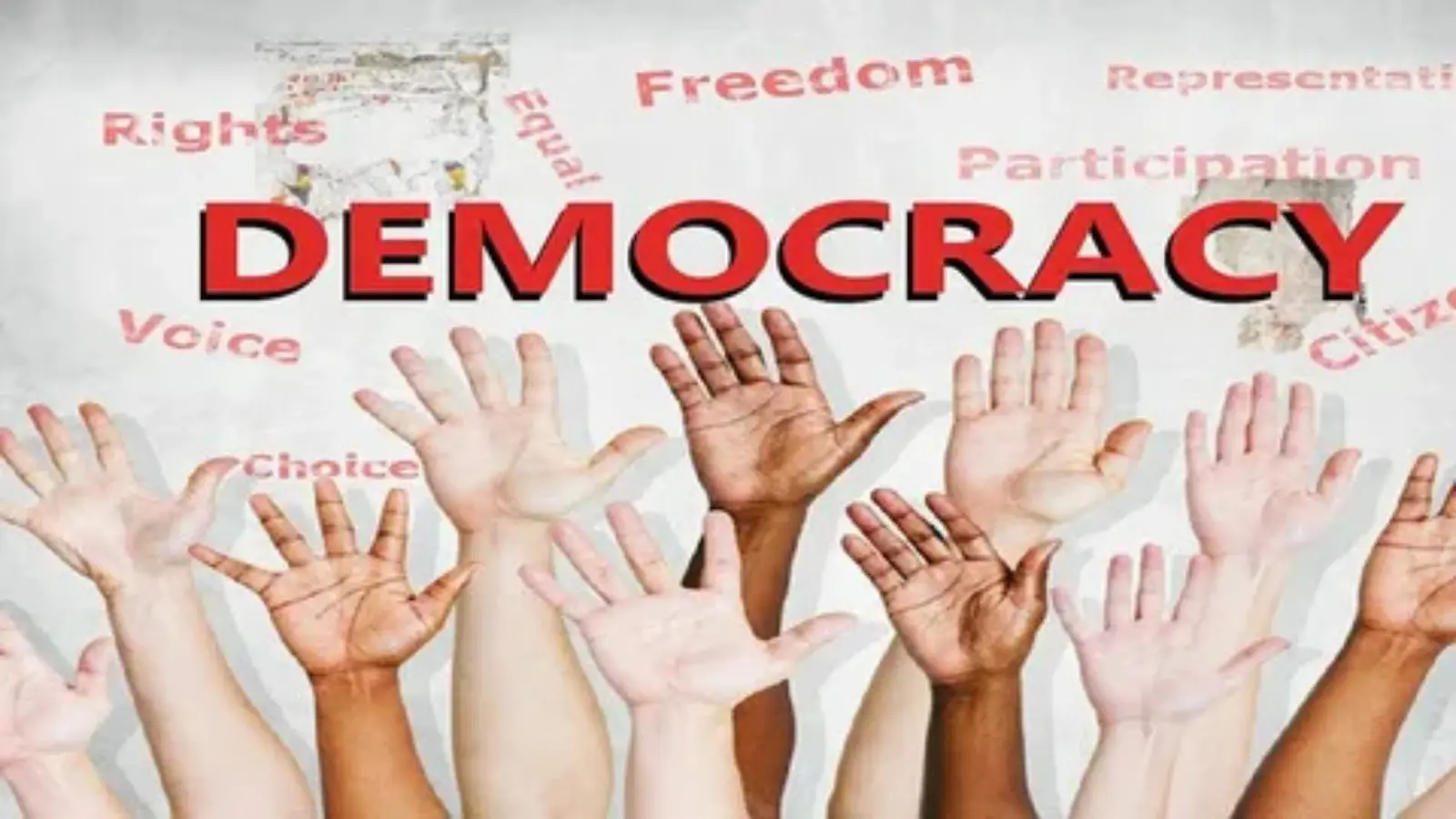
Beyond utility, democratizing this knowledge levels the playing field. Tools and guides like this one remove barriers, turning vocabulary building into an accessible skill rather than an inherited privilege.
An Original Framework: The Synonym Selection Matrix
To add genuine information gain, here’s a practical Synonym Selection Matrix a decision tool combining four dimensions:
- Emotional Intensity Scale (Mild → Moderate → Intense)
- Formality Spectrum (Casual → Neutral → Formal)
- Context Cluster (Everyday, Professional, Creative, etc.)
- Audience & Goal (Persuade, Empathize, Inform, Inspire)
How to use it: Plot your intended word against these axes. For “happy,” “content” might suit neutral professional settings (moderate intensity, formal), while “ecstatic” fits high-energy creative writing (intense, neutral-casual).
This matrix, combined with semantic clusters below, turns synonym hunting into strategic communication.
Semantic Clusters: Synonyms Organized by Real-World Use
Effective synonym use depends on context. Here are clusters with detailed entries for key example words: grateful, happy, beautiful, strong, and amazing.
Everyday Conversation & Informal Language
- Grateful: Thankful (warm, everyday tone). “I’m thankful for your help today.” Collocations: deeply thankful, so thankful.
- Happy: Glad, pleased, stoked (informal). “I’m stoked about the weekend plans.”
- Beautiful: Pretty, lovely, gorgeous. “That sunset was gorgeous!”
- Strong: Tough, solid. “She’s tough as nails.”
- Amazing: Awesome, incredible (casual). “The concert was awesome!”
Common mistake: Overusing “awesome” or “great” flattens nuance. Rotate with context for livelier talk.
Professional Writing & Business Communication
- Grateful: Appreciative, indebted. “We are appreciative of your partnership.” Best in emails/reports.
- Happy: Pleased, satisfied, delighted. “We are delighted to announce…”
- Beautiful: Elegant, striking. “The design is striking in its simplicity.”
- Strong: Robust, resilient, compelling. “This presents a robust case for investment.”
- Amazing: Remarkable, outstanding, exceptional. “Your results are exceptional.”
Collocations: deeply appreciative, highly satisfied, remarkably strong.
Academic & Formal Language
- Grateful: Obliged, beholden (more formal/rare). Prefer “appreciative” or rephrase for natural flow.
- Happy: Content, fulfilled. “Participants reported feeling fulfilled.”
- Beautiful: Aesthetic, exquisite. “An exquisite example of Renaissance art.”
- Strong: Potent, substantive, vigorous. “The evidence is substantive and vigorous.”
- Amazing: Astonishing, profound. “The implications are profound.”
Grammar tip: In academic writing, favor precise nouns/adjectives over intensifiers. Compare: “amazing discovery” vs. “groundbreaking discovery.”
Emotional Expression & Creative Writing
- Grateful: Heartfelt thanks, profoundly moved by. “I felt profoundly moved by their generosity.”
- Happy: Joyful, blissful, radiant. “Her radiant smile lit the room.”
- Beautiful: Breathtaking, mesmerizing, ethereal. “The ethereal landscape stretched endlessly.”
- Strong: Unyielding, indomitable. “An indomitable spirit defined her journey.”
- Amazing: Breathtaking, phenomenal, wondrous. “A wondrous tale unfolded.”
Literary nuance: Words like “ethereal” carry poetic connotation; “mesmerizing” adds hypnotic visual quality.
Persuasive Writing, Marketing & Leadership
- Grateful: Valuing, recognizing. “We deeply value our community’s support.”
- Happy: Thrilled, empowered. “Thrilled to empower our team with new tools.”
- Beautiful: Compelling, captivating. “A captivating vision for the future.”
- Strong: Formidable, powerful. “Our formidable market position…”
- Amazing: Transformative, revolutionary. “Revolutionary results await.”
Usage decision tree: For marketing, ask: Does this evoke aspiration (beautiful/captivating) or trust (strong/reliable)?
Detailed Synonym Profiles & Comparisons
Synonyms for Grateful
- Thankful: Warm, everyday. Mild intensity. “Thankful for small mercies.”
- Appreciative: Balanced, professional. Shows active recognition.
- Indebted: Stronger obligation, slightly formal. Can imply burden.
Grateful vs. Thankful: “Grateful” often implies deeper emotion; “thankful” is lighter and more common in speech.
Synonyms for Happy
- Joyful: Spiritual or celebratory tone.
- Content: Peaceful satisfaction, lower intensity.
- Elated: High intensity, buoyant.
Happy vs. Joyful: “Happy” is general; “joyful” conveys outward expression and often moral uplift.
Synonyms for Beautiful
- Lovely: Gentle, affectionate.
- Stunning: Dramatic impact.
- Exquisite: Refined, detailed perfection.
Beautiful vs. Gorgeous: “Gorgeous” leans sensual/physical; “beautiful” is broader and more versatile.
Synonyms for Strong
- Resilient: Recovery-focused.
- Formidable: Intimidating power.
- Sturdy: Physical reliability.
Strong vs. Powerful: “Strong” suggests inherent force; “powerful” implies effective influence.
Synonyms for Amazing
- Incredible: Hard to believe.
- Phenomenal: Extraordinary performance.
- Astonishing: Surprise element.
Amazing vs. Incredible: “Amazing” is broadly positive; “incredible” highlights disbelief or scale.
Comparison Tables for Quick Reference
Emotional Intensity Scale Example (Happy Cluster)
| Intensity | Word | Best Context |
|---|---|---|
| Mild | Content | Reflective journaling |
| Moderate | Happy/Pleased | Professional updates |
| Intense | Ecstatic/Elated | Personal milestones |
Formality Spectrum Decision Matrix
- Casual: Awesome, stoked, gorgeous
- Neutral: Great, nice, strong
- Formal: Exceptional, robust, exquisite
Vocabulary Development Tips & Common Mistakes
- Build a personal lexicon: Keep a notebook or digital tool for new words with example sentences.
- Avoid pitfalls: Don’t swap words without checking connotation (e.g., “cheap” vs. “affordable”). Read aloud for natural flow.
- Pronunciation notes: “Grateful” (/ˈɡreɪt.fəl/); stress first syllable.
- Idioms & phrases: “Over the moon” (happy), “beauty is in the eye of the beholder,” “strong as an ox.”
- Antonyms: For grateful—ungrateful, resentful; happy—miserable; beautiful—ugly/plain; strong—weak; amazing—mediocre.
Writing advice: In customer service, prioritize warmth (“We’re truly appreciative”). In leadership, use empowering terms (“Your resilient approach inspires us”).
FAQ Section
What is the best synonym for grateful in business emails? Appreciative or thankful. “Grateful” works but “appreciative” sounds more active and professional.
How do I choose between happy and joyful? Use “joyful” for expressive, uplifting moments; “happy” for general states.
Can overusing synonyms hurt my writing? Yes—variety is good, but forced thesaurus use creates awkwardness. Prioritize clarity and natural rhythm.
How does democratizing synonyms help non-native speakers? It provides context clusters and real examples, reducing reliance on literal translation and building intuitive fluency.
Are there tools for semantic synonym exploration? Yes—dictionaries with usage panels, AI language models for examples, and reading widely across genres.
Final Thoughts: Embrace the Power of Nuanced Language
Democratizing synonyms isn’t about fancy words it’s about empowerment.
By understanding clusters, frameworks, subtle distinctions, and real contexts, you gain confidence to communicate with precision, empathy, and impact.
Whether crafting marketing copy, academic papers, or heartfelt conversations, these tools help your voice stand out authentically.
Start small: Pick one word today, explore its matrix, and experiment in your next message or piece.
Language belongs to everyone now more than ever, it’s yours to master.
