
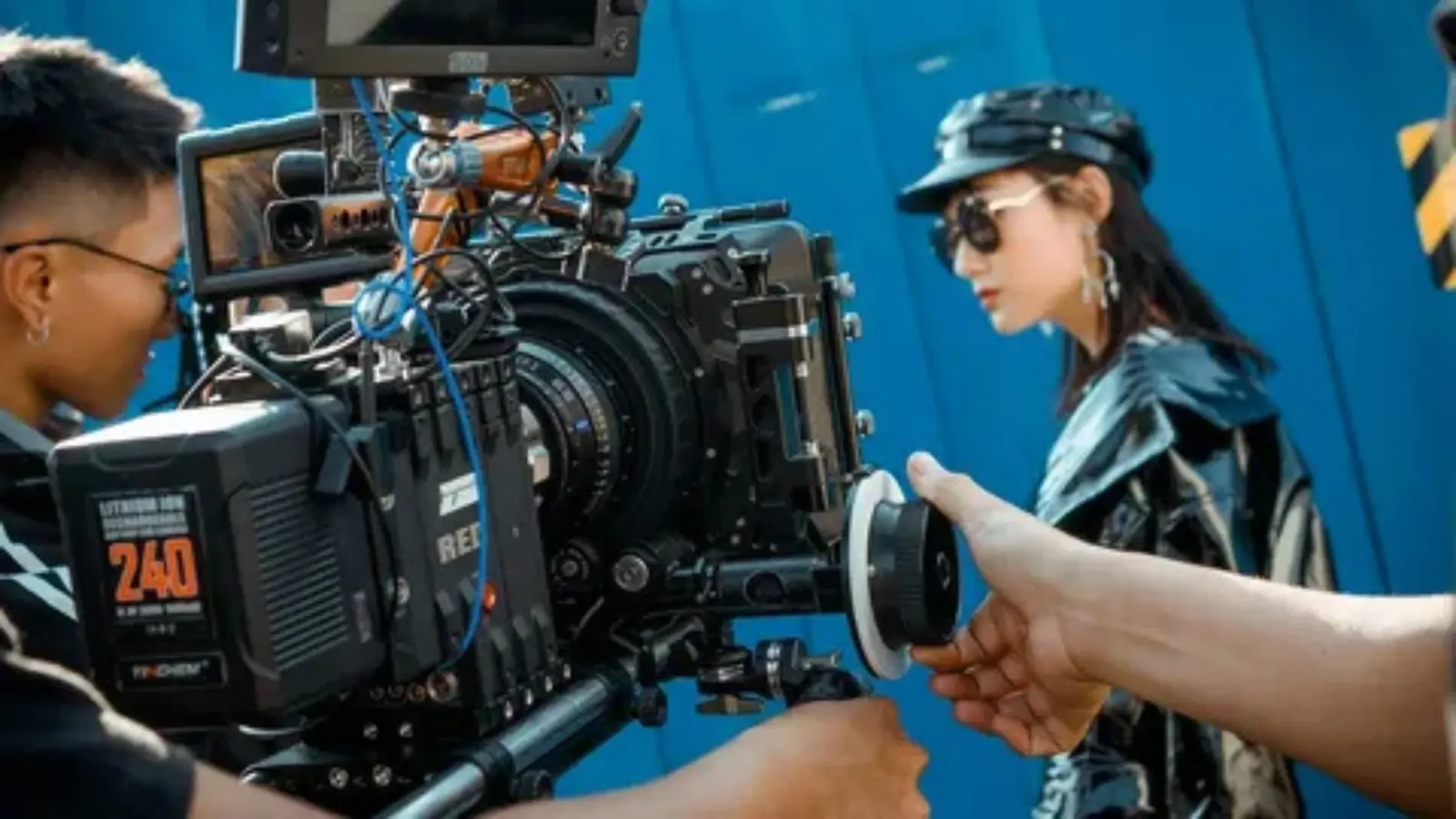
In the world of visual storytelling, “filmmaking” captures the magic of bringing stories to life on screen.
But whether you’re a seasoned director, aspiring screenwriter, film student, content creator, or simply a cinephile, having a rich arsenal of filmmaking synonyms can transform how you communicate ideas, write scripts, craft marketing copy, or engage in professional discussions.
This guide goes far beyond a basic list.
You’ll find semantic clusters, a custom Synonym Selection Framework, detailed comparisons, real-world examples, tables, and actionable advice to build topical authority in film-related writing and conversation.
Quick Answer: Featured Snippet Style
Filmmaking synonyms include moviemaking, cinema, film production, cinematography, motion picture production, and filmdom. “Moviemaking” feels approachable and modern for everyday use; “cinematography” emphasizes the artistic and technical photography aspects; “film production” highlights the full industrial process. Choose based on context: informal chats favor “moviemaking,” while professional or academic settings lean toward “cinematography” or “film production.”
What Does “Filmmaking” Mean?
Filmmaking refers to the art, craft, process, and industry of creating motion pictures—from concept and scripting through shooting, editing, post-production, and distribution. It encompasses creative vision, technical execution, collaboration, and business elements.
Understanding synonyms matters because precise language signals expertise, avoids repetition, matches tone to audience, and improves readability and SEO performance in film blogs, scripts, grant proposals, and reviews.
Original Framework: The Filmmaking Lexical Compass
Use this practical model to select the ideal synonym:
- Emotional Intensity Scale — From casual passion (“movie magic”) to profound artistry (“cinematic mastery”).
- Formality Spectrum — Informal → Conversational → Professional → Academic/Literary.
- Context Matrix — Everyday talk, screenwriting, industry pitches, academic papers, marketing, education.
- Semantic Cluster Fit — Match to specific facets: creative process, technical craft, business, cultural impact.
This framework adds genuine information gain by helping you choose words that resonate naturally.
Semantic Clusters of Filmmaking Synonyms
Everyday Conversation & Informal Language
- Moviemaking: Approachable, enthusiastic. Tone: Warm, accessible. Best for blogs, podcasts, social media. Example: “I love the collaborative chaos of moviemaking.” Collocations: indie moviemaking, backyard moviemaking.
- Making movies: Simple and direct. Comparison: More personal than “filmmaking”; implies hands-on involvement.
Professional & Industry Communication
- Film production: Emphasizes logistics, budgeting, and execution. Formal tone. Usage: Contracts, crew calls, reports. Example: “The film production wrapped principal photography in 45 days.”
- Cinema production or motion picture production: Broader, slightly elevated. Strong in business proposals and international contexts.
Artistic & Creative Writing
- Cinematography: Focuses on visual storytelling through camera, light, and composition. Often used interchangeably in artistic discussions but technically narrower.Example: “His mastery of cinematography elevated the story’s emotional depth.”
- Cinematic arts or film craft: Evokes artistry and skill.
Literary, Academic & Formal Language
- Filmmaking (the primary term) remains versatile, but alternatives like cinephile pursuits, motion picture creation, or silver screen production add elegance.
- Filmdom or Hollywood (metonymically): Refers to the industry ecosystem.
Persuasive, Marketing & Leadership Contexts
- Visual storytelling, screen content creation, narrative filmmaking. These highlight audience impact and emotional connection.
Detailed Synonym Breakdowns
Moviemaking Definition: The process of creating movies, often with a friendly, creative connotation. Tone: Energetic, inclusive. Formality: Medium-low. Best contexts: Blogs, interviews, film school discussions. Example: “Modern moviemaking tools like smartphones have democratized the craft.” Vs. Filmmaking: “Moviemaking” feels warmer and more contemporary; “filmmaking” is slightly more neutral and established.
Cinematography Definition: The art and technology of motion-picture photography. Tone: Artistic, technical. Formality: High. Usage notes: Best for praising visuals; avoid when referring to the entire process (use “filmmaking” instead). Collocations: masterful cinematography, digital cinematography. Common mistake: Using it as a full synonym for the entire production pipeline.
Film Production Definition: The full cycle of making a film, including pre-production, production, and post-production. Tone: Professional, organized. Example: “Efficient film production requires strong leadership and contingency planning.”
Filmmaking vs. Related Terms: Nuanced Comparisons
- Filmmaking vs. Moviemaking: “Filmmaking” sounds more artistic or serious; “moviemaking” is fun and approachable. Use “moviemaking” for indie or personal projects.
- Filmmaking vs. Cinematography: Cinematography is a subset (camera work). Filmmaking is the umbrella term.
- Filmmaking vs. Video Production: “Video production” suits shorter formats, commercials, or digital content; filmmaking implies theatrical or narrative depth.
- Filmmaking vs. Directing: Directing is one role within filmmaking.
Related Concepts, Antonyms & Lexical Field
Antonyms: Film criticism, film consumption, passive viewing. Related words: Directing, screenwriting, editing, producing, sound design, visual effects (VFX), post-production. Phrases & Idioms: “Lights, camera, action!”, “Behind the scenes,” “On the cutting room floor,” “In the can.” Collocations: Independent filmmaking, digital filmmaking, low-budget filmmaking, collaborative filmmaking.
Pronunciation Notes: Filmmaking (/ˈfɪlmˌmeɪkɪŋ/); Cinematography (/ˌsɪnəməˈtɒɡrəfi/).
Common Learner Mistakes:
- Overusing “filmmaking” in repetitive writing.
- Confusing technical subsets (e.g., calling all production “cinematography”).
- Ignoring audience: Technical terms alienate general readers.
Actionable Writing & Communication Tips
- For scripts/pitches: Mix precise terms with vivid language.
- SEO & Content Creation: Naturally incorporate LSI terms like “movie production process,” “cinematic techniques,” “film industry glossary.”
- Audience Adaptation: Casual blogs → moviemaking; Industry reports → film production; Academic papers → motion picture arts.
- Vocabulary Development: Read scripts, watch director commentaries, maintain a personal film lexicon journal.
Comparison Table: Choosing the Right Synonym
| Context | Best Synonym | Formality | Why It Fits | Example Sentence |
|---|---|---|---|---|
| Casual Blog | Moviemaking | Low | Approachable, engaging | “The joy of moviemaking starts with a great story.” |
| Industry Pitch | Film Production | High | Professional, comprehensive | “Our film production emphasizes sustainable practices.” |
| Artistic Review | Cinematography | Medium-High | Visual focus | “The cinematography paints an unforgettable emotional landscape.” |
| Academic Paper | Motion Picture Creation | Very High | Formal, scholarly | “20th-century advancements in motion picture creation…” |
| Marketing Copy | Visual Storytelling | Medium | Audience-centric | “Master visual storytelling through expert filmmaking.” |
FAQ Section
What is the best synonym for filmmaking in creative writing? Moviemaking or cinematic arts for warmth and flair.
Is cinematography the same as filmmaking? No. Cinematography specifically covers camera, lighting, and visual composition within the larger filmmaking process.
How do I expand my filmmaking vocabulary? Study glossaries, analyze award-winning scripts, engage with film communities, and practice deliberate word choice using frameworks like the Lexical Compass.
Are there synonyms suited for non-English speakers or international contexts? Terms like “cinema production” or “audiovisual production” travel well across cultures.
Final Thoughts: Building Your Cinematic Voice
Mastering filmmaking synonyms does more than prevent repetition it sharpens your ability to inspire, persuade, educate, and connect.
Whether you’re crafting the next blockbuster pitch or writing an insightful film essay, the right word choice elevates your work from competent to compelling.
This resource aims to serve as your definitive, evolving guide. Bookmark it, revisit as your skills grow, and let precise language fuel your storytelling passion.
By applying these distinctions and the Lexical Compass, you’ll communicate with clarity, authority, and creativity—hallmarks of true cinematic excellence.
