
Quick Answer:
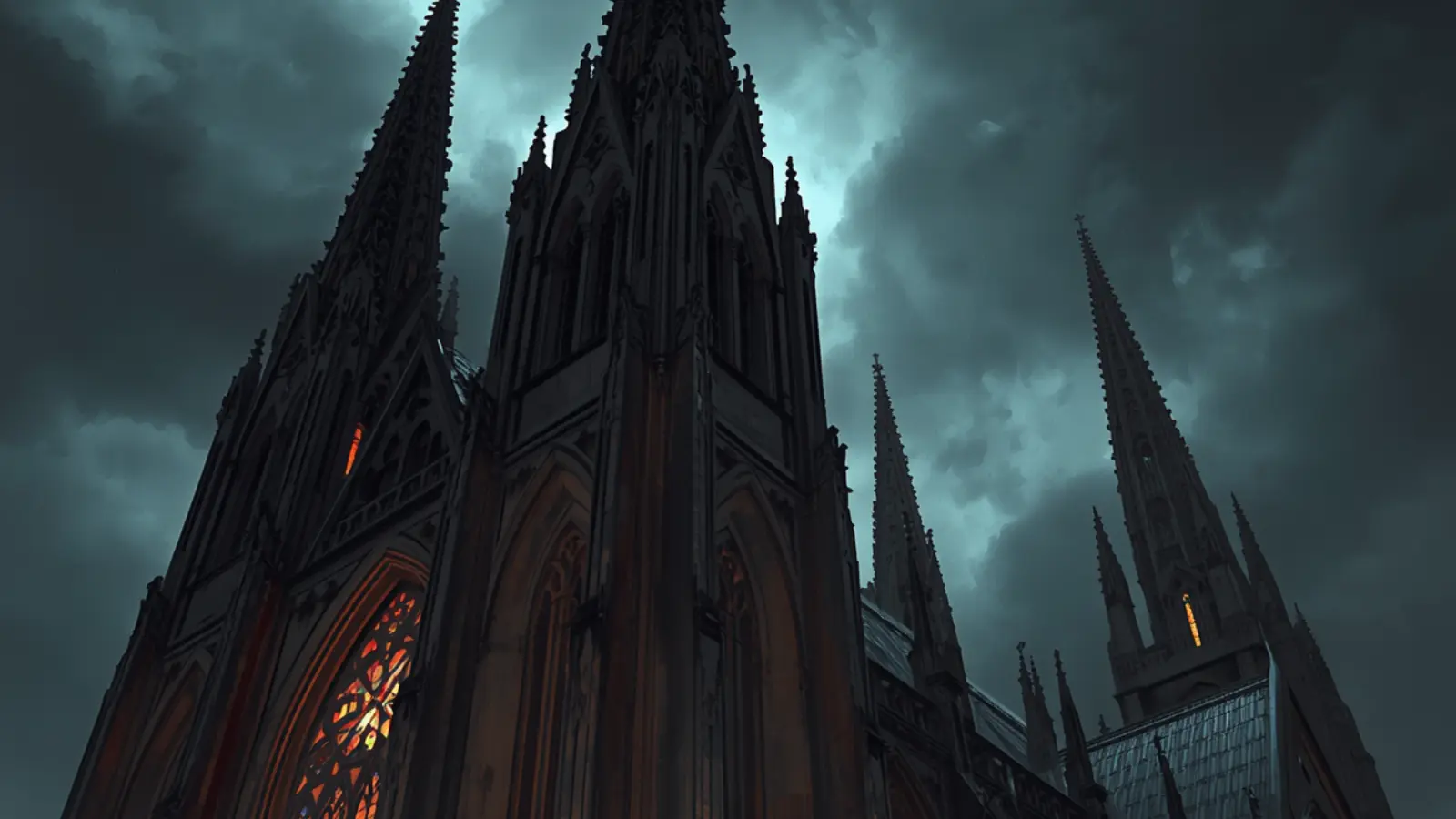
A gothic synonym is a word that conveys the dark, mysterious, medieval, eerie, or dramatic qualities associated with the word gothic.
Depending on context, the best alternatives include macabre, ominous, haunting, medieval, mysterious, eerie, gloomy, sinister, dark, brooding, spectral, and shadowy.
What Does Gothic Mean?
The adjective gothic has several meanings depending on the context.
It can describe:
- Dark and mysterious atmosphere
- Medieval architecture
- Horror-inspired themes
- Dramatic literary style
- Gothic fashion and culture
- Something eerie or haunting
Because the word carries multiple meanings, there isn’t one perfect synonym. The best choice depends entirely on what you’re trying to express.
Why Learning Gothic Synonyms Matters
Using varied vocabulary helps you:
- Avoid repetitive writing
- Create stronger imagery
- Match your audience
- Improve storytelling
- Write more naturally
- Strengthen SEO content
- Expand your English vocabulary
Instead of repeating gothic multiple times, selecting the right alternative makes your writing richer and more precise.
The Gothic Vocabulary Ladder
Think of gothic words on a scale of intensity.
| Intensity | Best Synonyms | Typical Use |
|---|---|---|
| Mild | Medieval | History |
| Mild | Old-world | Architecture |
| Moderate | Mysterious | Fiction |
| Moderate | Dark | Everyday writing |
| Moderate | Brooding | Character description |
| Strong | Eerie | Horror |
| Strong | Ominous | Suspense |
| Strong | Sinister | Thriller |
| Very Strong | Macabre | Horror literature |
| Extreme | Nightmarish | Psychological horror |
This framework helps writers choose words that fit the emotional strength of their message.
Best Gothic Synonyms
1. Dark
Meaning
Lacking light or filled with mystery.
Tone
Neutral
Formality
Common
Best For
- Stories
- Descriptions
- Everyday writing
Example
The castle stood on the dark hillside.
2. Eerie
Meaning
Strange in a frightening way.
Tone
Unsettling
Formality
Standard English
Best Contexts
- Haunted places
- Horror stories
- Paranormal writing
Example
An eerie silence filled the abandoned church.
3. Macabre
Meaning
Connected with death or disturbing subjects.
Tone
Very dark
Formality
Advanced
Best Contexts
- Literature
- Horror reviews
- Gothic fiction
Example
The novel is famous for its macabre imagery.
4. Ominous
Meaning
Suggesting something bad is about to happen.
Tone
Suspenseful
Formality
Formal
Example
Dark clouds created an ominous atmosphere.
5. Brooding
Meaning
Quiet, serious, and emotionally dark.
Tone
Moody
Best Context
Character descriptions
Example
The hero had a brooding personality.
6. Haunting
Meaning
Memorable in a beautiful yet unsettling way.
Tone
Emotional
Best Contexts
- Music
- Poetry
- Fiction
Example
She had a haunting voice.
7. Sinister
Meaning
Appearing evil or threatening.
Tone
Negative
Best Context
Crime and horror writing
Example
A sinister smile crossed his face.
8. Shadowy
Meaning
Hidden, mysterious, or poorly seen.
Tone
Suspenseful
Example
Shadowy figures appeared in the fog.
9. Spectral
Meaning
Ghost-like.
Tone
Supernatural
Example
A spectral figure stood near the window.
10. Medieval
Meaning
Related to the Middle Ages.
Tone
Historical
Example
The cathedral features medieval architecture.
Semantic Clusters of Gothic Synonyms
Everyday Conversation
- Dark
- Mysterious
- Moody
- Old-fashioned
- Medieval
These are easy to understand and fit casual writing.
Creative Writing
- Haunting
- Brooding
- Shadowy
- Spectral
- Ethereal
- Grim
Ideal for novels and poetry.
Horror & Suspense
- Macabre
- Ominous
- Sinister
- Chilling
- Terrifying
- Creepy
Perfect for building tension.
Academic Writing
- Medieval
- Architectural
- Ecclesiastical
- Romantic
- Historical
Useful when discussing Gothic architecture or literature.
Literary English
- Arcane
- Bleak
- Gloomy
- Foreboding
- Phantom-like
- Funereal
These create sophisticated descriptions.
Gothic vs Dark
Although people often treat these words as interchangeable, they are different.
| Gothic | Dark |
|---|---|
| Often refers to style or genre | General description |
| Includes mystery and horror | Can simply mean lacking light |
| May describe architecture | Usually does not |
| Strong literary association | Everyday vocabulary |
Recommendation
Choose dark for general writing and gothic when referring to a specific mood, artistic style, or literary tradition.
Gothic vs Macabre
| Gothic | Macabre |
|---|---|
| Mystery + atmosphere | Death-focused |
| Romance may exist | Rarely romantic |
| Architecture included | Not architectural |
| Broader meaning | Narrower meaning |
Macabre is more intense than gothic.
Gothic vs Eerie
Gothic
- Artistic style
- Literature
- Architecture
- Fashion
Eerie
- Emotional feeling
- Strange atmosphere
- Fear without obvious danger
Example:
The gothic cathedral looked eerie at midnight.
Here, gothic describes the building while eerie describes the feeling.
Choosing the Right Gothic Synonym
| If You Mean… | Best Choice |
|---|---|
| Horror | Macabre |
| Suspense | Ominous |
| Ghosts | Spectral |
| Mystery | Mysterious |
| Mood | Brooding |
| Fear | Sinister |
| Medieval style | Medieval |
| Architecture | Gothic |
| Atmosphere | Eerie |
Common Collocations
Natural combinations include:
- gothic cathedral
- gothic novel
- gothic horror
- gothic atmosphere
- gothic architecture
- gothic romance
- gothic church
- gothic style
- gothic castle
- gothic aesthetic
For synonyms:
- eerie silence
- sinister smile
- haunting melody
- ominous clouds
- brooding hero
- macabre humor
- shadowy figure
- spectral presence
Grammar Tips
“Gothic” functions primarily as an adjective.
Correct:
- gothic architecture
- gothic literature
- gothic atmosphere
Less common:
- the Gothic (referring to the artistic movement)
Avoid using “gothicly.” Instead, rewrite naturally.
Incorrect:
The room looked gothicly decorated.
Better:
The room had a gothic design.
Common Mistakes
Using Gothic for Every Dark Scene
Not every scary setting is gothic.
Better alternatives may include:
- creepy
- eerie
- frightening
- ominous
Confusing Gothic with Medieval
Many medieval buildings are Gothic, but not all medieval architecture is Gothic.
Using Macabre Too Broadly
Macabre specifically relates to death.
Don’t replace every instance of gothic with macabre.
Writing Tips
Professional editors often choose synonyms based on the reader’s emotional experience.
Ask yourself:
- Is the scene mysterious?
- Is it frightening?
- Is it historical?
- Is it supernatural?
- Is it architectural?
The answer guides your word choice better than using “gothic” repeatedly.
Related Words
Related vocabulary includes:
- mysterious
- haunted
- bleak
- grim
- melancholy
- foreboding
- mysterious
- supernatural
- ghostly
- phantom
- eerie
- shadowy
- dramatic
- medieval
- cathedral
- castle
- horror
- romance
- mystery
- darkness
Antonyms of Gothic
Depending on context:
- cheerful
- bright
- modern
- minimalist
- optimistic
- sunny
- lively
- welcoming
- colorful
- joyful
Frequently Asked Questions
What is the closest synonym for gothic?
It depends on context. Dark, eerie, mysterious, macabre, and ominous are among the closest alternatives.
Is gothic always related to horror?
No. Gothic can describe architecture, literature, fashion, art, or atmosphere. Horror is only one of its meanings.
Is macabre stronger than gothic?
Yes. Macabre specifically emphasizes death and disturbing imagery, while gothic is broader and can include romance, mystery, and history.
What’s the difference between eerie and gothic?
Eerie describes a feeling of fear or unease, while gothic often describes a style, setting, or artistic tradition.
Can gothic describe architecture?
Yes. Gothic architecture refers to the medieval European architectural style known for pointed arches, ribbed vaults, flying buttresses, and large stained-glass windows.
Which synonym is best for creative writing?
Many authors prefer haunting, brooding, ominous, shadowy, spectral, or macabre, depending on the mood they want to create.
Final Thoughts
The best gothic synonym depends on your context, audience, and intended emotional effect.
While words like dark, eerie, macabre, ominous, and brooding overlap with gothic, each carries its own nuance.
Strong writing comes from choosing the word that matches your exact meaning rather than relying on a single replacement.
By understanding tone, formality, collocations, and usage, you can write with greater precision, create more vivid imagery, and communicate more effectively across fiction, academic writing, and everyday English.
