
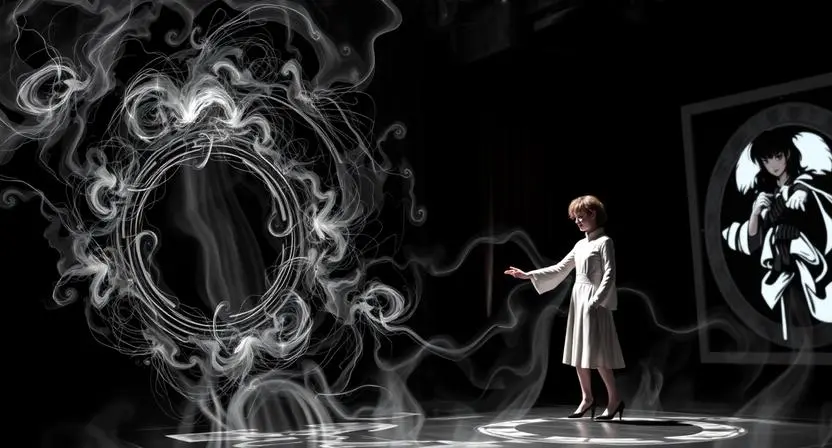
If you are looking for an illusionist synonym, the best alternatives include magician, conjurer, prestidigitator, trickster, entertainer, performer, and sleight-of-hand artist.
However, these words are not always interchangeable.
Illusionist usually describes a performer who creates convincing visual or mental illusions, while magician is broader and more common.
The right synonym depends on whether you are writing casually, professionally, creatively, academically, or describing a specific kind of performance.
Quick Answer: What Is a Synonym for Illusionist?
The most natural synonym for illusionist is magician.
Other useful alternatives include:
- Magician — a broad, everyday term for someone who performs magic.
- Conjurer — a somewhat traditional or literary word for a magic performer.
- Prestidigitator — a highly specific, formal term associated with skilled hand tricks.
- Sleight-of-hand artist — emphasizes manual dexterity and manipulation.
- Performer — emphasizes entertainment rather than magic itself.
- Entertainer — broader and less specific.
- Trickster — suggests deception or clever manipulation rather than stage magic.
- Enchanter — often literary or fantasy-oriented.
- Wizard — usually figurative, fictional, or metaphorical in modern English.
What Does Illusionist Mean?
An illusionist is a person who creates the appearance of something impossible or extraordinary, usually through carefully designed techniques, visual effects, misdirection, stagecraft, or psychological methods.
The word is closely connected with illusion, meaning an appearance or impression that differs from reality.
For example:
The illusionist made a coin appear to vanish from his hand.
An illusionist may perform:
- Visual illusions
- Card tricks
- Sleight-of-hand
- Mentalism
- Stage illusions
- Misdirection
- Escapes
- Apparent transformations
- Optical effects
The noun illusionist is usually associated with professional entertainment, particularly stage or close-up performance.
The Illusionist Synonym Vocabulary Ladder
Not every synonym carries exactly the same meaning. A useful way to choose the right word is to think of vocabulary as a ladder.
| Word | Core Meaning | Formality | Best Use |
|---|---|---|---|
| Magician | Person who performs magic | Neutral | Everyday writing |
| Conjurer | Person who performs magic or tricks | Medium | Literary/formal writing |
| Prestidigitator | Skilled hand-trick performer | High | Precise or technical writing |
| Performer | Person entertaining an audience | Neutral | General contexts |
| Entertainer | Person who provides entertainment | Neutral | Broad descriptions |
| Sleight-of-hand artist | Expert in manual tricks | Medium | Specific performances |
| Enchanter | Person associated with enchantment | Literary | Fantasy/creative writing |
| Wizard | Person with extraordinary skill or magic | Variable | Fiction/metaphor |
| Trickster | Clever person who deceives or manipulates | Medium | Figurative contexts |
This ladder reveals an important distinction: magician is usually the safest replacement, while specialized words should be chosen according to context.
15 Useful Synonyms for Illusionist
1. Magician
Magician is the closest everyday synonym for illusionist. It describes someone who performs magic or creates apparently impossible effects.
Tone: Neutral
Formality: Neutral
Best contexts: Conversation, journalism, entertainment, general writing
Example:
The magician amazed the audience with a disappearing-card trick.
Common collocations: magician performs, professional magician, stage magician, famous magician.
2. Conjurer
A conjurer is someone who performs magic tricks, especially through apparent acts of bringing something into existence or making something disappear.
Tone: Traditional or literary
Formality: Medium
Best contexts: Historical writing, literature, descriptive prose
Example:
The mysterious conjurer entertained the guests throughout the evening.
Compared with magician, conjurer can sound more old-fashioned or theatrical.
3. Prestidigitator
Prestidigitator is a precise and relatively uncommon term for a person skilled in performing tricks with the hands.
Tone: Technical, sophisticated
Formality: High
Best contexts: Formal descriptions, vocabulary-rich writing, discussions of sleight-of-hand
Example:
The skilled prestidigitator manipulated the cards with remarkable precision.
This word is not usually the best choice for casual conversation because magician is much more natural.
4. Sleight-of-Hand Artist
A sleight-of-hand artist specializes in tricks that depend on quick, controlled, and deceptive hand movements.
Tone: Descriptive
Formality: Medium
Best contexts: Performance reviews, entertainment writing, explanatory content
Example:
The sleight-of-hand artist made the ring seem to disappear.
This expression is more specific than illusionist.
5. Performer
Performer is a broad term for anyone who entertains an audience through an artistic or theatrical presentation.
Tone: Neutral
Formality: Neutral
Best contexts: Professional biographies, event descriptions, general writing
Example:
The performer captivated the crowd from the moment he entered the stage.
Use it when the person’s exact type of performance is not important.
6. Entertainer
An entertainer is someone whose work is designed to amuse, interest, or engage an audience.
Example:
The entertainer kept the children fascinated with a series of visual tricks.
Unlike illusionist, this word does not specifically imply magic.
7. Trickster
Trickster describes someone who deceives, fools, or outsmarts others through clever tricks.
Tone: Playful, sometimes negative
Formality: Neutral
Best contexts: Stories, mythology, figurative descriptions
Example:
The clever trickster fooled everyone with his elaborate scheme.
Be careful: calling a professional illusionist a trickster may suggest dishonesty rather than entertainment.
8. Enchanter
An enchanter is traditionally someone who uses enchantment or magical powers.
Tone: Magical, literary
Formality: Literary
Best contexts: Fantasy, mythology, creative writing
Example:
The mysterious enchanter appeared in the ancient forest.
This is generally not a direct modern substitute for illusionist.
9. Wizard
Wizard traditionally refers to a person with magical powers, especially in fictional or fantasy settings.
It can also be used metaphorically:
She is a wizard with computer graphics.
Here, wizard means someone exceptionally skilled rather than a literal magician.
10. Mentalist
A mentalist is a performer whose act focuses on apparent mind reading, prediction, psychological influence, memory, or mental demonstrations.
Example:
The mentalist correctly predicted the audience member’s chosen number.
A mentalist can be an illusionist, but the terms are not identical.
11. Magician-Performer
This descriptive phrase combines the broad idea of a magician with the professional role of a performer.
Example:
The magician-performer specializes in intimate theatrical experiences.
It works especially well in biographies or professional profiles.
12. Stage Magician
A stage magician performs magic specifically for an audience, often using theatrical presentation, props, lighting, and larger illusions.
Example:
The stage magician created the illusion of a person disappearing.
This is one of the most precise alternatives when the performance takes place on a stage.
13. Illusion Performer
Illusion performer emphasizes the presentation of illusions rather than traditional ideas of magic.
Example:
The illusion performer combines technology, psychology, and theatrical effects.
This phrase can be useful in modern entertainment writing.
14. Conjuror
Conjuror is an alternative spelling of conjurer, although conjurer is more common in modern English.
Example:
The traveling conjuror performed before a fascinated crowd.
It can create an intentionally old-fashioned atmosphere.
15. Master of Illusion
Master of illusion is more of a descriptive or promotional expression than a direct dictionary synonym.
Example:
The master of illusion stunned the audience with an impossible transformation.
It works particularly well in marketing copy, entertainment headlines, and creative descriptions.
Illusionist vs. Magician
Illusionist and magician overlap heavily, but there is a subtle difference.
A magician is a broad term for someone who performs magic tricks. An illusionist more specifically emphasizes the creation of convincing illusions or impossible-looking experiences.
Choose “magician” when:
- You want the most familiar word.
- You are writing for a general audience.
- The exact performance style is not important.
Choose “illusionist” when:
- The illusion itself is central to the description.
- You are discussing sophisticated stage effects.
- You want a more specialized entertainment term.
Example:
The magician performed several card tricks.
The illusionist created the impression that the entire stage had vanished.
Illusionist vs. Conjurer
Both words can describe magic performers, but their tone differs.
Illusionist sounds modern and professional.
Conjurer can sound traditional, theatrical, historical, or literary.
For a contemporary entertainment website, illusionist or magician will usually sound more natural.
For a fantasy story, historical setting, or atmospheric description, conjurer may be more effective.
Illusionist vs. Prestidigitator
These terms are related but not identical.
An illusionist can create large-scale visual or psychological illusions using many techniques.
A prestidigitator is specifically associated with exceptional manual dexterity, especially hand tricks.
So:
Illusionist = broader performance category
Prestidigitator = specialized hand-skill performer
If you are describing someone famous for extraordinarily fast card manipulation, prestidigitator may be more precise.
How to Choose the Best Illusionist Synonym
Use this simple decision framework:
Need a common word? → Magician
Want a traditional word? → Conjurer
Want a highly precise hand-skill term? → Prestidigitator
Want to emphasize entertainment? → Performer or entertainer
Want to describe psychological performance? → Mentalist
Writing fantasy? → Enchanter or wizard
Describing deception? → Trickster
Writing promotional copy? → Master of illusion
This approach is more useful than replacing illusionist with the first synonym found in a thesaurus.
Illusionist Synonyms by Writing Context
Everyday Conversation
Use:
- Magician
- Performer
- Entertainer
Example:
We hired a magician for the birthday party.
Professional Writing
Use:
- Illusionist
- Stage magician
- Performer
- Mentalist
Example:
The professional illusionist specializes in interactive stage performances.
Academic or Linguistic Writing
Use:
- Illusionist
- Prestidigitator
- Conjurer
- Performer
These terms allow more precise discussion of performance type and register.
Creative Writing
Use:
- Enchanter
- Conjurer
- Wizard
- Trickster
- Illusionist
The best choice depends heavily on the world, character, and atmosphere.
Marketing Copy
Use:
- Master of illusion
- Illusion artist
- Stage magician
- Professional illusionist
- Magical entertainer
Marketing language can be more expressive than ordinary dictionary definitions.
Common Collocations With Illusionist
Learning natural word combinations can make your vocabulary sound more fluent.
Common collocations include:
- professional illusionist
- famous illusionist
- talented illusionist
- master illusionist
- stage illusionist
- skilled illusionist
- modern illusionist
- theatrical illusionist
- illusionist performance
- illusionist show
- illusionist act
- illusionist tricks
- illusionist techniques
- illusionist creates an illusion
- illusionist captivates an audience
For example:
The talented illusionist captivated the audience with an elaborate stage performance.
Common Mistakes When Using Illusionist Synonyms
Mistake 1: Treating every synonym as identical
A synonym may share the central meaning without having the same connotation or register.
Better: Consider tone, audience, and context before substituting a word.
Mistake 2: Using “trickster” for every magician
A trickster often implies deception, mischief, or manipulation.
Better: Use magician for a neutral description of a performer.
Mistake 3: Using “wizard” in ordinary professional contexts
Wizard is often associated with fantasy or figurative skill.
Better: Use illusionist or magician for real-world entertainment.
Mistake 4: Overusing “prestidigitator”
Although accurate in certain situations, it is uncommon in everyday English.
Better: Reserve it for contexts where specialized vocabulary adds value.
Antonyms and Contrasting Concepts
There is no single perfect antonym for illusionist, because the word describes a person rather than a simple quality.
Depending on the intended contrast, related opposing concepts include:
- Reality
- Realist
- Truth-teller
- Revealer
- Exposer
- Fact-checker
- Debunker
- Skeptic
For example, a debunker attempts to expose false claims or misleading appearances, making the concept almost opposite to someone who creates an illusion for entertainment.
Frequently Asked Questions About Illusionist Synonyms
What is the closest synonym for illusionist?
Magician is generally the closest and most natural synonym for illusionist. Both can describe someone who performs apparently impossible tricks for an audience.
What is a fancy word for illusionist?
Prestidigitator is a sophisticated word associated with skilled hand tricks, while conjurer has a more traditional or literary feel.
Is magician the same as illusionist?
Not exactly. Magician is broader, while illusionist often emphasizes the creation of convincing illusions and impossible-looking experiences.
What is another word for a person who performs magic?
Common choices include magician, illusionist, conjurer, prestidigitator, performer, and sleight-of-hand artist.
What is a synonym for illusionist in creative writing?
Depending on the story, conjurer, enchanter, wizard, trickster, or magician can work well. The choice should match the setting and character.
What is the formal word for magician?
Prestidigitator can function as a formal or specialized term, particularly when referring to skillful hand manipulation.
What is the difference between an illusionist and a mentalist?
An illusionist may use visual, physical, theatrical, or psychological techniques, while a mentalist primarily presents apparent demonstrations involving the mind, such as prediction or mind reading.
What is the opposite of an illusionist?
There is no exact antonym, but debunker, truth-teller, realist, or reality-based investigator can express contrasting ideas depending on context.
Final Word Choice Guide
When replacing illusionist, start with your intended meaning rather than the dictionary alone.
If you want the most natural everyday synonym, choose magician.
If you want a traditional or literary alternative, choose conjurer.
If you want to emphasize manual dexterity, choose prestidigitator or sleight-of-hand artist.
If you want to emphasize mental performance, choose mentalist.
If you are writing fantasy, consider enchanter or wizard.
If you want to emphasize entertainment, choose performer or entertainer.
The strongest vocabulary choice is not necessarily the most unusual word. It is the word that communicates the intended meaning naturally, precisely, and appropriately for the reader.
