
Quick Answer (Featured Snippet Style)
Electric energy (also called electrical energy) refers to the energy derived from the movement or position of electric charges, commonly measured in joules (J) or kilowatt-hours (kWh). Key synonyms include electrical energy, electric power, electricity, current, power, and energy (in context). The most precise technical synonym is electrical energy, while electricity is the everyday equivalent. Choose based on context: “electrical energy” for scientific precision, “electricity” for general use, and “power” when discussing rates or supply.
When searching for “electric energy synonym,” most people want more than a basic list—they seek clarity on when and how to use the right term in technical reports, conversations, marketing, or academic writing. Electric energy powers our world, from charging phones to lighting cities, yet its terminology can feel interchangeable or confusing.
This definitive guide serves as a complete topical resource. It defines the concept, explores rich synonym clusters, provides nuanced distinctions, practical examples, and an original Lexical Context Framework for choosing the ideal term. Whether you’re a student, engineer, content creator, or communicator, you’ll gain actionable insights that build vocabulary precision and authority.
What Is Electric Energy? Clear Definition
Electric energy is the energy transferred or stored due to the movement of electric charges across a potential difference. In physics, it arises from electric potential energy (position of charges) or kinetic energy (flow of charges). It is typically quantified as the work done when charge moves through a voltage.
Formula: E = V × Q (where E is energy in joules, V is voltage in volts, Q is charge in coulombs) Or more commonly for consumption: E = P × t (P = power in watts, t = time in seconds).
The commercial unit is the kilowatt-hour (kWh), equivalent to 3.6 million joules—your electricity bill’s standard measure.
Why synonyms matter: Precise language avoids ambiguity. In engineering, “electrical energy” signals technical depth; in marketing, “clean electricity” evokes sustainability. Misuse can undermine credibility or confuse audiences.
Original Framework: The Electric Energy Lexical Context Matrix
To add genuine value beyond lists, use this Context Selection Matrix (inspired by semantic clustering and register theory):
| Context Cluster | Best Primary Term | Formality | Emotional/Connotative Tone | Example Use Case |
|---|---|---|---|---|
| Everyday Conversation | Electricity, Juice (slang) | Informal | Accessible, energetic | “The electricity went out again.” |
| Professional/Technical | Electrical Energy | Medium-High | Precise, scientific | Lab reports, engineering docs |
| Academic Writing | Electric Energy | High | Objective, formal | Physics papers |
| Business/Marketing | Electric Power, Clean Power | Medium | Empowering, reliable | Sales pitches, sustainability reports |
| Creative/Literary | Spark, Current, Energized Flow | Variable | Dynamic, vivid | Poetry or storytelling |
| Public Speaking/Leadership | Power Supply, Grid Energy | Medium-High | Authoritative, visionary | Policy speeches |
How to use the matrix: Match audience, purpose, and medium. For voice search or AI answers, favor natural phrases like “synonyms for electrical energy in physics.”
Semantic Clusters of Electric Energy Synonyms
Organized by usage clusters with definitions, tones, collocations, and examples.
1. Core Technical Synonyms (Scientific & Engineering)
- Electrical Energy: Most direct synonym. Precise for stored or transferred charge energy. Tone: Neutral, authoritative. Collocations: convert electrical energy, store electrical energy. Example: “Batteries store electrical energy as chemical potential.”
- Electric Power: Often overlaps but technically the rate (P = E/t). Comparison: Electric energy (total) vs. electric power (instantaneous). Use power for ratings (e.g., 100W bulb).
- Current (Electric Current): Flow of charge. Example: “The wire carries a strong current.”
- Voltage / Potential Difference: Related but not pure synonyms—driving force for energy transfer.
2. Everyday & Informal
- Electricity: Broadest, most natural term for the phenomenon or supplied power. Tone: Conversational. Example: “Solar panels generate electricity for the home.”
- Power / Electric Power: Common in utilities. Collocations: power outage, backup power.
- Juice (slang): Informal, energetic. Example: “My phone needs more juice.”
3. Specialized & Contextual
- Wattage, Kilowatts: Quantitative.
- Mains, Grid, Utilities: Supply-side.
- Galvanism, Electromagnetism: Historical/scientific.
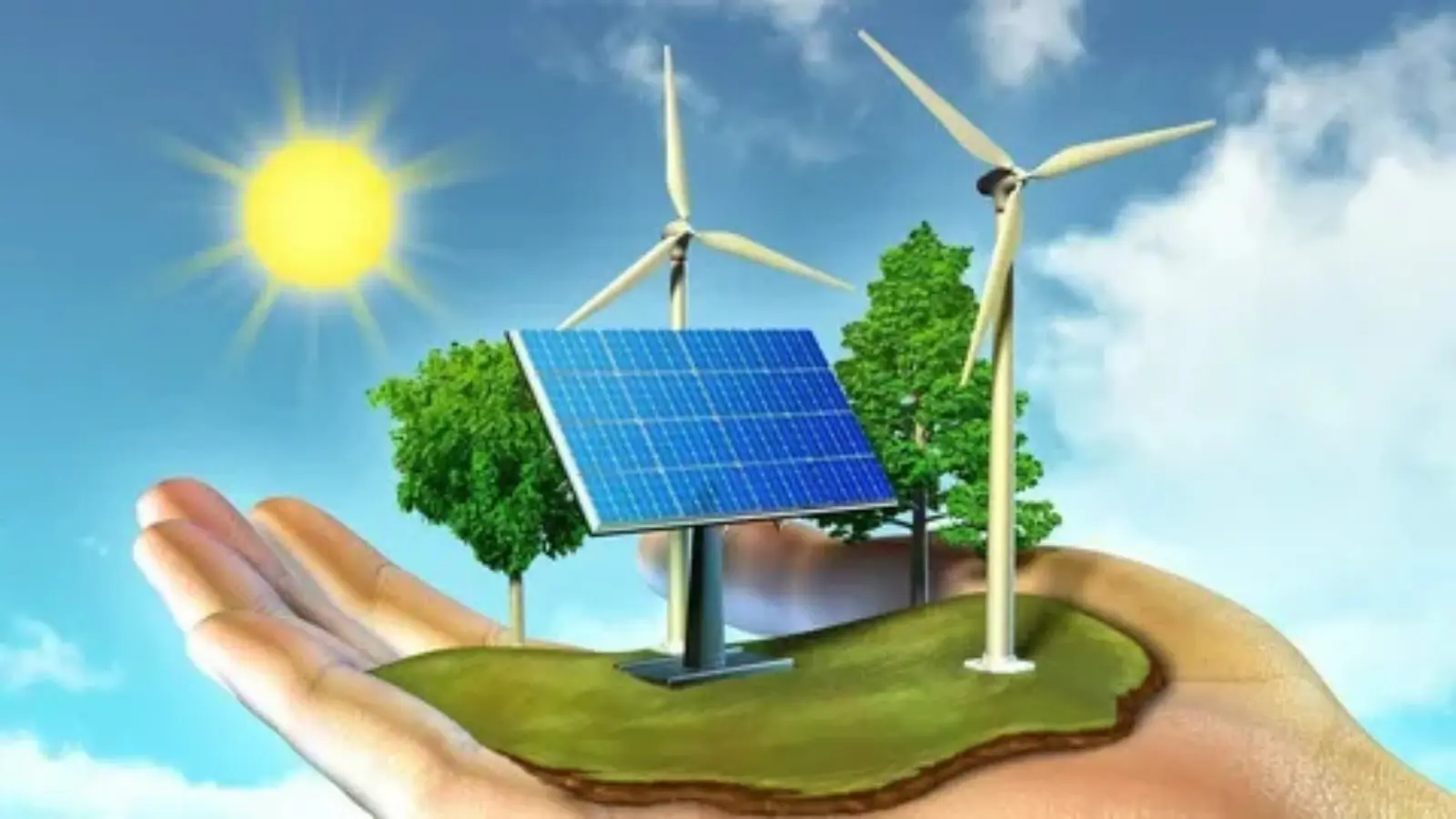
- Renewable terms: Solar power, hydroelectric power, wind energy (as sources of electric energy).
Antonyms & Related Concepts: Inactivity (no flow), mechanical energy, thermal energy, chemical energy. Opposites in context: power loss, blackout.
Electric Energy vs. Closely Related Terms
- Electric Energy vs. Electricity: Electricity often refers to the flow/supply; electric energy emphasizes the usable work capacity. Recommendation: Use “electricity” for bills and homes; “electrical energy” in physics.
- Electric Energy vs. Electric Power: Energy is cumulative (kWh); power is rate (kW). A 1 kW heater running 1 hour consumes 1 kWh.
- Electric Energy vs. Electromagnetic Energy: Broader; includes light/radio waves.
Subtle Differences Table:
| Term | Connotation | Best Context | Common Mistake |
|---|---|---|---|
| Electrical Energy | Technical precision | Science, engineering | Confusing with power |
| Electricity | Everyday utility | Conversation, news | Overusing in formal reports |
| Electric Power | Supply & rate | Business, utilities | Treating as total energy |
| Current | Flow | Circuits, troubleshooting | Using interchangeably with energy |
Practical Usage, Grammar, and Writing Tips
- Grammar: “Electric energy is measured in…” (singular). Collocations: harness, generate, consume, convert.
- Pronunciation Notes: /ɪˈlɛktrɪk ˈɛnərdʒi/ – stress on second syllable of each word.
- Common Mistakes: Interchanging energy/power; ignoring units (J vs. kWh).
- Writing Advice: For EEAT content, cite sources (e.g., physics texts). In marketing, pair with benefits: “Reliable electric power for your smart home.”
- Vocabulary Ladder: Basic → Electricity; Intermediate → Electric energy; Advanced → Electromotive force, Joule heating.
Actionable Tip: In customer service, say “We restored power quickly” for empathy. In leadership: “Investing in clean electric energy builds resilience.”
FAQ Section (Optimized for Snippets)
What is another word for electric energy? Electrical energy, electricity, electric power.
Is electric energy the same as electricity? No—electricity is the broader term; electric energy specifies the work capacity.
How do you calculate electric energy? E = P × t or E = V × I × t.
What are antonyms? Power failure, energy depletion.
Conclusion: Building Topical Authority with Precise Language
Mastering electric energy synonyms enhances communication across domains from casual chats to cutting-edge research.
By applying the Lexical Context Matrix and understanding nuances, you communicate with clarity and impact.
This resource evolves with language and technology; bookmark it as your go-to guide for 2026 and beyond.
Experiment with these terms in your next piece of writing or presentation.
The right synonym doesn’t just inform it electrifies your message.
