
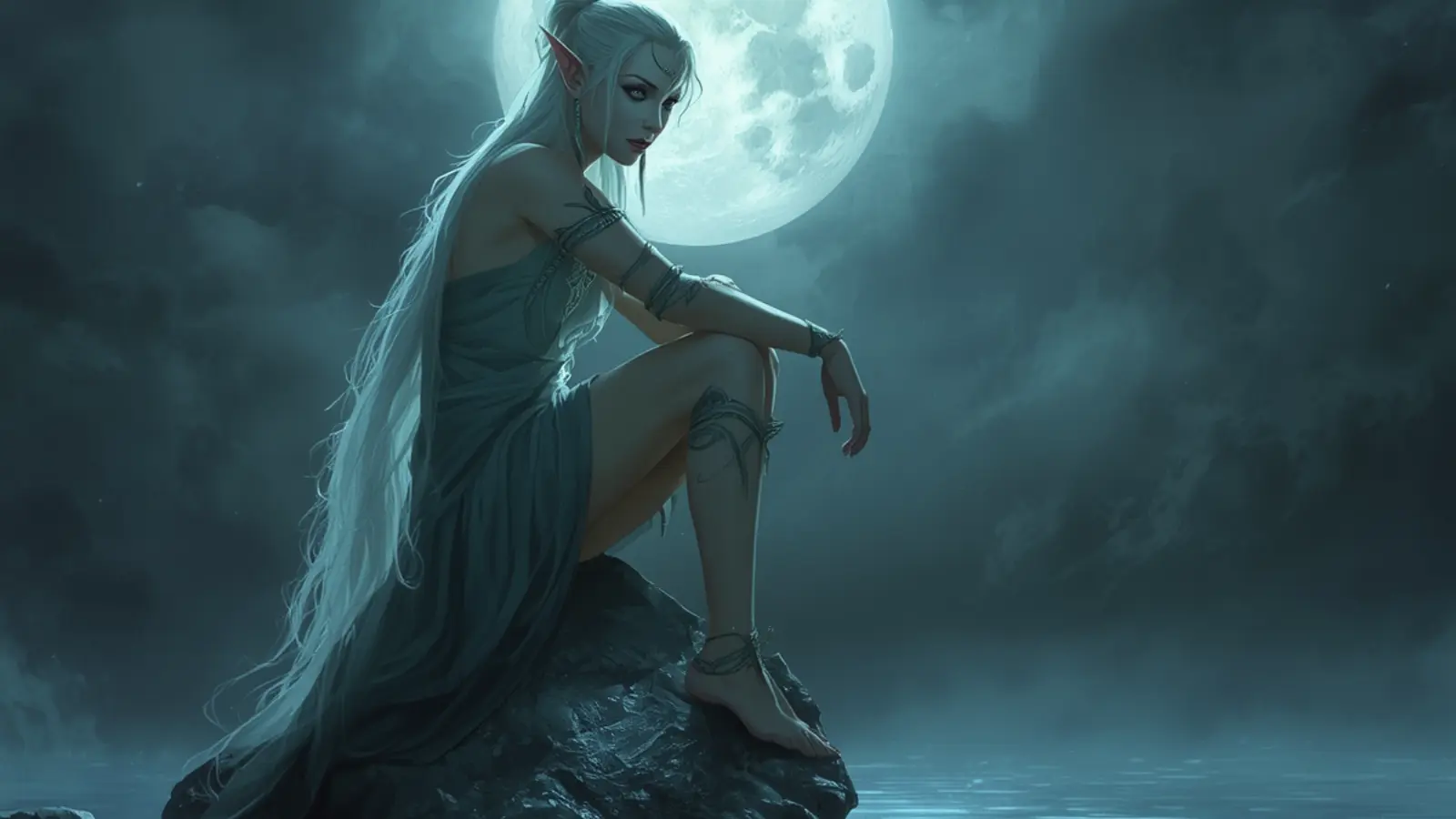
Searching for synonyms for “elf” usually stems from creative writing needs, world-building in fantasy, enriching vocabulary, or understanding mythological roots. Whether crafting a novel, preparing a D&D campaign, composing poetry, or simply expanding your lexicon, precise word choice elevates your expression.
An elf evokes images of diminutive, magical humanoids pointed ears, ethereal grace, and a blend of benevolence and trickery. This guide goes far beyond basic lists. It delivers semantic clusters, nuanced distinctions, usage frameworks, and practical advice to help you select the perfect term every time. By the end, you’ll wield these words with confidence across everyday talk, professional contexts, and imaginative storytelling.
What Does “Elf” Mean? Core Definition and Etymology
The word elf originates from Old English ælf, rooted in Proto-Germanic albiz, likely linked to “white” or “bright” (Proto-Indo-European h₂elbʰós). In Germanic mythology and folklore, elves are supernatural beings associated with nature, magic, illness, mischief, or aid. They appear in Norse tales as light elves (ljósálfar) in Álfheimr and darker counterparts.
Modern usage, heavily shaped by J.R.R. Tolkien and contemporary fantasy, portrays elves as tall (sometimes), immortal or long-lived, wise, beautiful, and skilled in archery, craftsmanship, and magic. Colloquially, “elf” or “elfin” describes a petite, delicate, or mischievous person.
Why Synonyms Matter:
- Precision — Avoid repetition in writing.
- Tone & Register — Match audience and genre (whimsical children’s story vs. dark fantasy).
- Semantic Nuance — Capture subtle differences in size, morality, habitat, or power.
- Topical Authority — Build richer lexical fields for SEO, AI search, and reader engagement.
Original Framework: The Elf Synonym Hierarchy & Context Selection Matrix
To add genuine value, here’s an original Synonym Hierarchy Model based on emotional intensity, formality spectrum, and contextual fit:
- Core Cluster (Direct Equivalents): Closest in meaning and folklore roots.
- Playful/Mischievous Tier: Emphasizes trickery.
- Ethereal/Graceful Tier: Highlights beauty and magic.
- Earthy/Domestic Tier: Helpful household spirits.
- Fantasy-Expanded Tier: Modern genre adaptations.
Context Selection Matrix (simplified table for quick reference):
| Context | Recommended Synonym | Why It Fits | Formality |
|---|---|---|---|
| Everyday Conversation | Pixie or Sprite | Light, approachable | Informal |
| Professional/Fantasy Writing | Fay or Sprite | Elegant, literary | Medium-High |
| Children’s Literature | Brownie or Leprechaun | Whimsical, friendly | Low |
| Dark Fantasy/Horror | Goblin or Kobold | Menacing undertones | Medium |
| Academic/Mythology | Ælf or Alfar | Historical precision | High |
| Marketing/Creative | Enchanted Being | Broad, evocative | Medium |
This matrix helps choose based on audience, medium, and desired connotation.
Semantic Clusters: Organized Synonyms for Elf
Everyday Conversation & Informal Language
- Pixie: Small, lively fairy-like creature, often with wings and a mischievous streak. Emotional tone: Playful, cute. Best contexts: Describing energetic children or light fantasy. Collocations: “Pixie dust,” “pixie haircut.” Example: “She has a pixie-like grin that lights up the room.”
- Sprite: Energetic spirit, often elemental (water, forest). Tone: Quick, fleeting. Comparison: More agile than a static gnome.
Creative Writing & Literary English
- Fay/Faerie: Archaic spelling emphasizing otherworldly magic. Tone: Mysterious, enchanting. Usage: “The fay folk danced under the moonlight.” Subtle difference from “fairy”: More archaic and potent in connotation.
- Puck: Specific mischievous sprite (Shakespeare’s A Midsummer Night’s Dream). Tone: Trickster. Example: “Like Puck, he stirred up harmless chaos at the party.”
Formal & Academic Writing
- Alfar (plural) or Ælf: Original Germanic forms. Ideal for scholarly work on mythology. Provides strong EEAT through historical accuracy.
Business, Leadership & Persuasive Communication
Use metaphorically: “Our team channeled elfin ingenuity to solve the challenge.” Synonyms like “innovative sprite” add flair to marketing copy without sounding childish.
Emotional Expression & Public Speaking
“Elfin charm” conveys delicate allure. Antonyms: Ogre, giant, brute (for contrast in size/morality).
In-Depth Synonym Profiles
Fairy Definition: Supernatural being with magical powers, often benevolent. Tone: Whimsical to majestic. Formality: Medium. Best contexts: General fantasy, children’s tales. Vs. Elf: Fairies often have wings; elves emphasize pointed ears and forest affinity. Recommendation: Use “fairy” for broader appeal in marketing.
Gnome Definition: Earth-dwelling dwarf-like being, guardian of treasures. Tone: Sturdy, wise. Comparison: Gnomes are shorter and more grounded than graceful elves. Common mistake: Confusing with garden statues (modern cultural shift).
Imp Definition: Small demonic or mischievous creature. Tone: Naughty, infernal edge. Usage notes: Stronger negative connotation than “elf.” Example: “The impish elf hid the keys again.”
Leprechaun Irish-specific: Shoemaker fairy with gold. Tone: Lucky, cunning. Collocations: “Pot of gold.”
Elf vs. Related Words: Nuanced Comparisons
- Elf vs. Fairy: Elves tie more to Germanic/Norse roots and craftsmanship; fairies to Celtic traditions and flight. Choose “elf” for Tolkien-esque grandeur.
- Elf vs. Goblin: Goblins are uglier, greedier; elves idealized.
- Elf vs. Dwarf: Dwarves focus on mining and beards; elves on archery and elegance (key in fantasy world-building).
- Elf vs. Nymph: Nymphs are nature deities, often female and bound to specific locales (trees, rivers).
Related Concepts, Antonyms, Idioms & Collocations
- Antonyms: Troll, orc, giant, monster.
- Phrases: “Elf on the Shelf” (modern Christmas tradition), “elven grace,” “elf-shot” (folklore illness).
- Idioms: “Elvish” as adjective for delicate or sly.
- Vocabulary Development Tip: Build a “lexical ladder” from “small fairy” → “sprite” → “elf” → “high elf” for escalating sophistication.
Pronunciation & Grammar Notes
- ELF (/ɛlf/), plural: elves (/ɛlvz/).
- Adjective: Elfin or elvish (elvish often carries archaic/magical weight). Common mistake: Using “elfs” instead of “elves.”
Writing Advice & Common Learner Mistakes
- Actionable Tip: In persuasive writing, layer synonyms for rhythm: “Not mere mortals, but sprites of innovation—elfin minds crafting the future.”
- Avoid overuse in one paragraph.
- For EEAT in your content: Cite mythological sources and provide original examples.
- Professional editing: Read aloud for natural flow; ensure cultural sensitivity in fantasy adaptations.
FAQ Section (Optimized for AI Overviews & Voice Search)
What is the best synonym for elf in fantasy novels? Fay or sprite for elegance; high elf variants for specificity.
Are pixies and elves the same? No—pixies are smaller, more prank-oriented; elves grander.
What’s the opposite of an elf? Typically a troll or orc in fantasy contexts.
How do you use “elf” in a sentence professionally? “Our design team brought elfin precision to the user interface.”
Conclusion: Building Your Lexical Mastery
Mastering synonyms for “elf” unlocks richer storytelling, clearer communication, and deeper appreciation of linguistic and cultural heritage.
This resource equips you with clusters, frameworks, and distinctions that deliver real information gain.
